See a whole lesson before you sign up.
These are not mock-ups. Each one is a real compiled lesson out of the product, fact-checked against its own sources and drawn by the same reader subscribers use - same concept cards, same diagrams, same citations. Read them end to end, for nothing.
18 lessons · computer science, physics, mathematics, machine learning, biology, cloud infrastructure, law, finance
Computer science
 Computer science
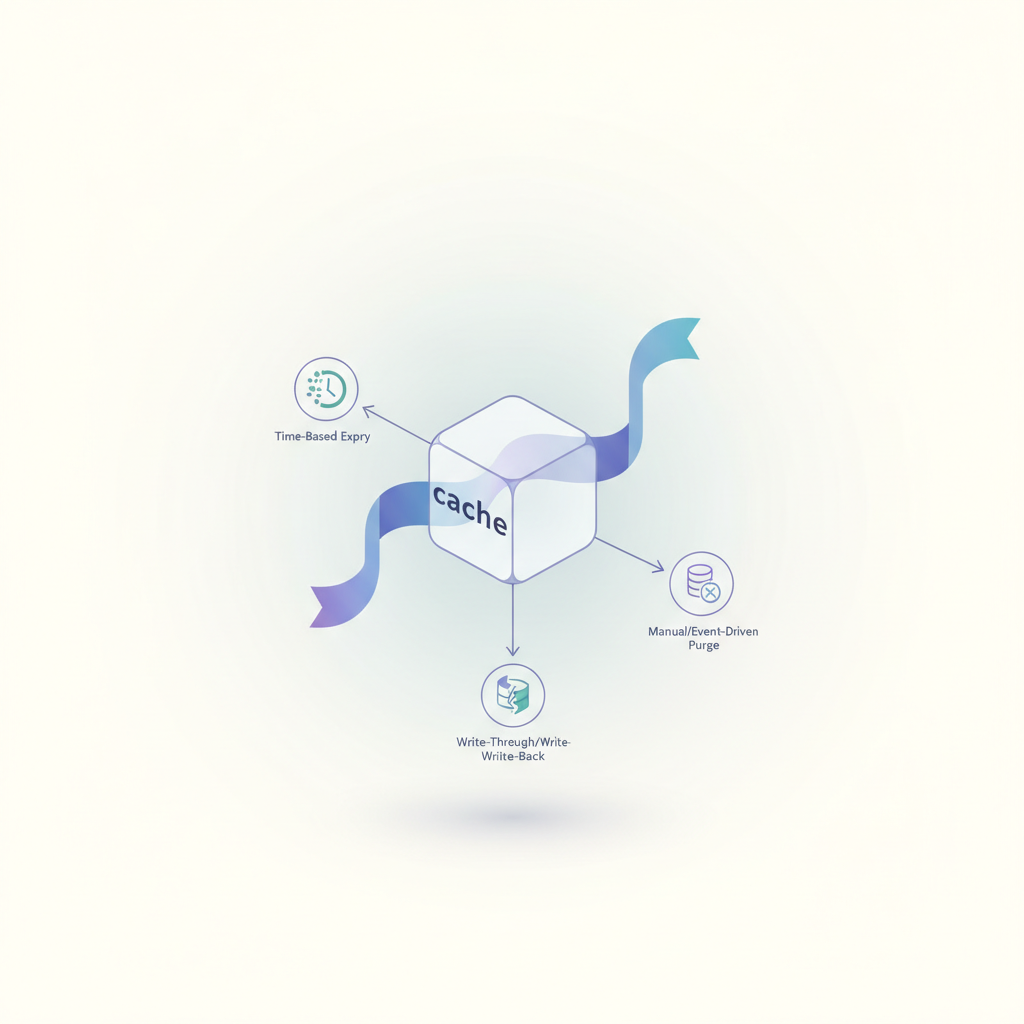
Cache Invalidation Strategies
Cache invalidation strategies are ways to make sure that when data changes in the main storage, any copies of that data stored in a cache are updated or removed so users always see the correct, most recent information. This prevents applications from showing old or wrong details, which is important for trust and smooth operations.
7 concepts · 8 sources · 11 questionsRead →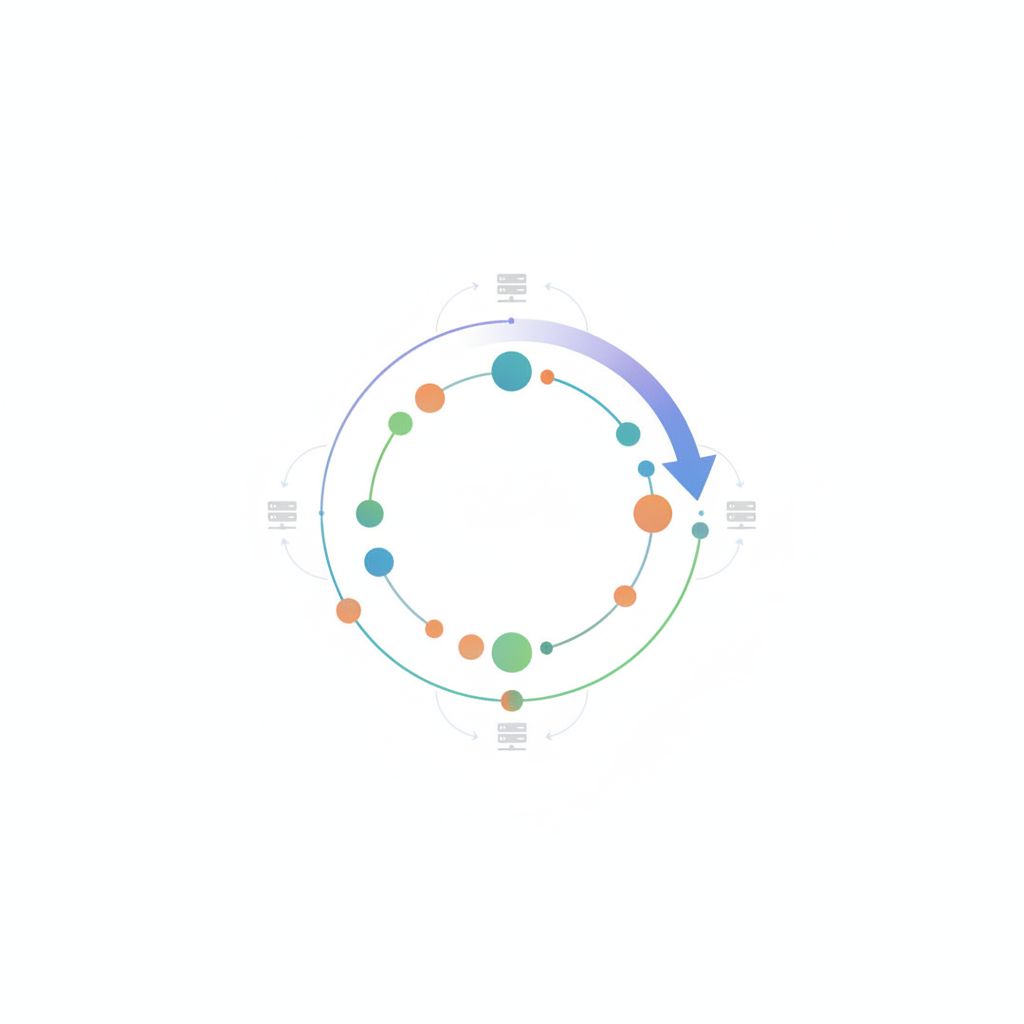 Computer science
Consistent Hashing Strategies
Consistent hashing is a smart way to spread data across many servers so that when servers are added or removed, only a small amount of data needs to move. This makes large online systems work smoothly without big interruptions.
6 concepts · 7 sources · 10 questionsRead → Computer science
Database Indexing: B-Tree vs. Hash
Database indexes speed up finding data. B-tree indexes keep data sorted, which is great for finding things in a range or in order. Hash indexes use a direct map to find exact items very quickly.
9 concepts · 6 sources · 13 questionsRead → Computer science
Rate Limiting Algorithm Selection and Trade-offs
Rate limiting algorithms control how many actions a system can handle over time, like setting a speed limit for incoming requests. This prevents too many requests from crashing the system and ensures everyone gets fair access.
7 concepts · 6 sources · 10 questionsRead → Computer science
The CAP Theorem for Distributed Systems
The CAP theorem states that in a distributed system, you can only have two out of three properties: Consistency (all users see the same data), Availability (the system always responds), and Partition Tolerance (the system keeps working even if parts of it can't talk to each other). When parts of the system can't communicate, you have to choose between keeping data consistent or keeping the system
7 concepts · 7 sources · 9 questionsRead →
Physics
 Physics
Light's Inability to Escape a Black Hole
Light cannot escape a black hole because its immense gravity bends all paths, including those of light, back towards itself. Once light crosses a point of no return, it's trapped forever.
5 concepts · 7 sources · 9 questionsRead → Physics
Relativity's Role in GPS Functionality
GPS satellites move so fast and are in such weak gravity that their clocks tick at a different rate than clocks on Earth. To make GPS work accurately, engineers have to adjust for these tiny but crucial time differences predicted by Einstein's theories.
6 concepts · 4 sources · 10 questionsRead → Physics
Why the Sky Appears Blue
The sky looks blue because tiny particles in the air scatter blue light more than other colors. When the sun is rising or setting, its light travels through more of the atmosphere, scattering away most of the blue light and letting the red and orange light reach our eyes.
5 concepts · 7 sources · 13 questionsRead →
Mathematics
 Mathematics
Applying Bayes' Theorem
Bayes' theorem helps you update your initial belief about something when you get new information. It shows how to combine what you already thought with what the new evidence suggests to get a more accurate understanding.
6 concepts · 7 sources · 7 questionsRead → Mathematics
Gödel's Incompleteness Theorems
Gödel's theorems show that even the most powerful mathematical systems cannot prove everything that is true within them, and they cannot prove that they are free from contradictions. This is achieved by turning statements into numbers and then constructing a special statement that essentially says, "I cannot be proven."
6 concepts · 7 sources · 10 questions · 18 min audiobookRead →
Machine learning
 Machine learning
Self-Attention in Transformer Architecture
Self-attention helps a computer model understand the meaning of words in a sentence by figuring out how important each word is to every other word. It does this by asking a 'question' (Query) about each word and comparing it to 'labels' (Keys) of other words, then using those comparisons to decide which 'information' (Value) to focus on.
5 concepts · 7 sources · 9 questionsRead →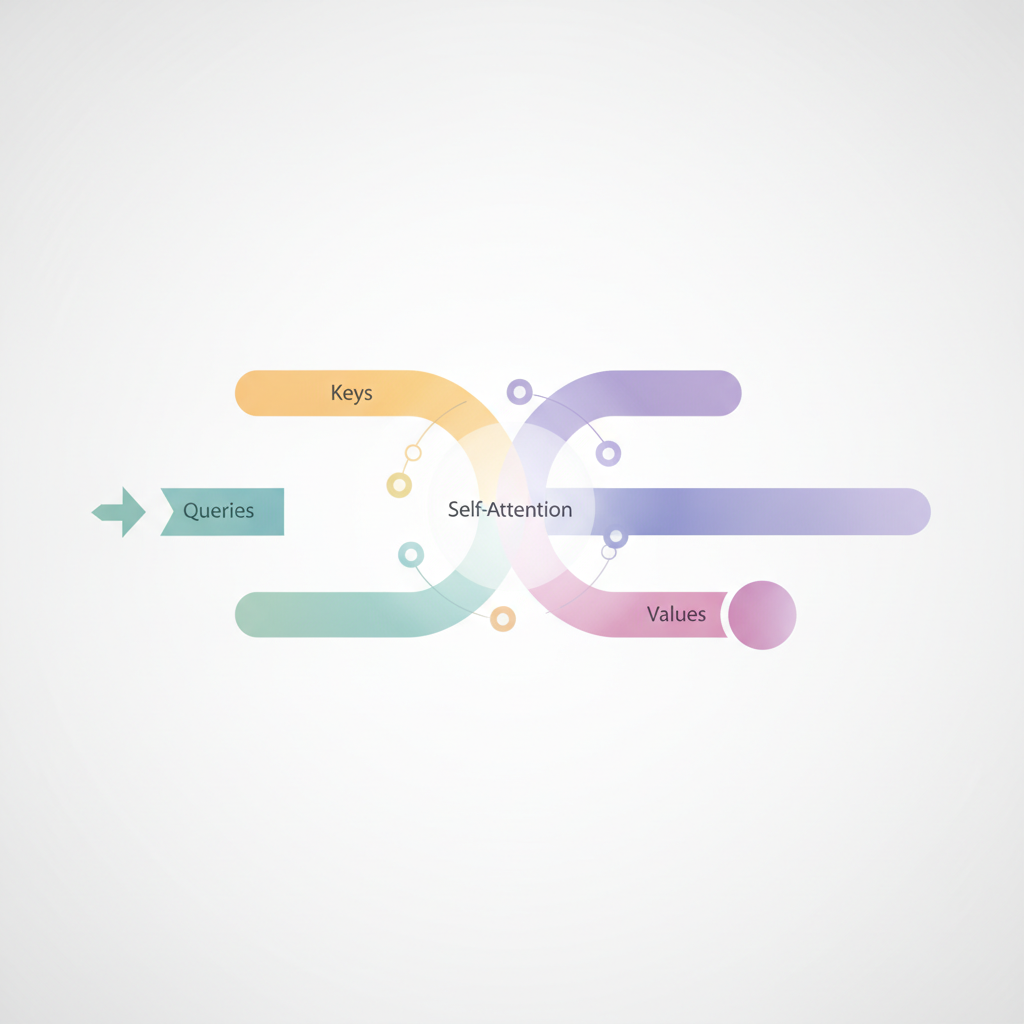 Machine learning
Self-Attention in Transformer Models: Queries, Keys, and Values
Self-attention lets a transformer model understand how different words in a sentence relate to each other. Each word asks a question (query), offers an answer (key), and provides its content (value). This allows the model to identify the most important words for understanding any given word, even if they are far apart in the sentence.
7 concepts · 7 sources · 14 questionsRead →
Biology
 Biology
How Vaccines Prepare the Body
Vaccines teach your body's defense system how to recognize and fight off germs before you get sick. They do this by showing your immune system a safe part of a germ, so your body can learn to protect itself and remember how to do it quickly if you encounter the real thing.
5 concepts · 7 sources · 13 questionsRead → Biology
The Krebs Cycle: Steps, Inputs, Outputs, and Regulation
The Krebs cycle is a central process in your cells that takes fuel from food and breaks it down to create energy carriers. These carriers then power the main energy-making factory of the cell.
6 concepts · 8 sources · 9 questionsRead →
Cloud infrastructure
 Cloud infrastructure
AWS IAM Roles Versus Policies
IAM policies are like rulebooks that say exactly what actions are allowed or not allowed on AWS resources. IAM roles are like temporary hats that users or services can wear to get those specific permissions for a short time, without needing their own permanent passwords.
7 concepts · 5 sources · 9 questionsRead → Public domainCloud infrastructure
AWS VPC Subnets, Route Tables, and NAT
You can set up a basic AWS virtual network by dividing it into sections (subnets) for public and private resources. You then use rules (route tables) to direct traffic, allowing public sections to connect directly to the internet and private sections to connect out through a special service (NAT Gateway) without being directly exposed.
6 concepts · 8 sources · 12 questionsRead →
Law

Finance

Want the written explainer instead of a compiled lesson? Read how large language models work, or see how Nodebook builds a lesson.